Sustainable streetwear: why labels and shoppers are rethinking
Sustainable streetwear is gaining ground in Germany, driven by certification labels, EU rules and a new awareness among young buyers.
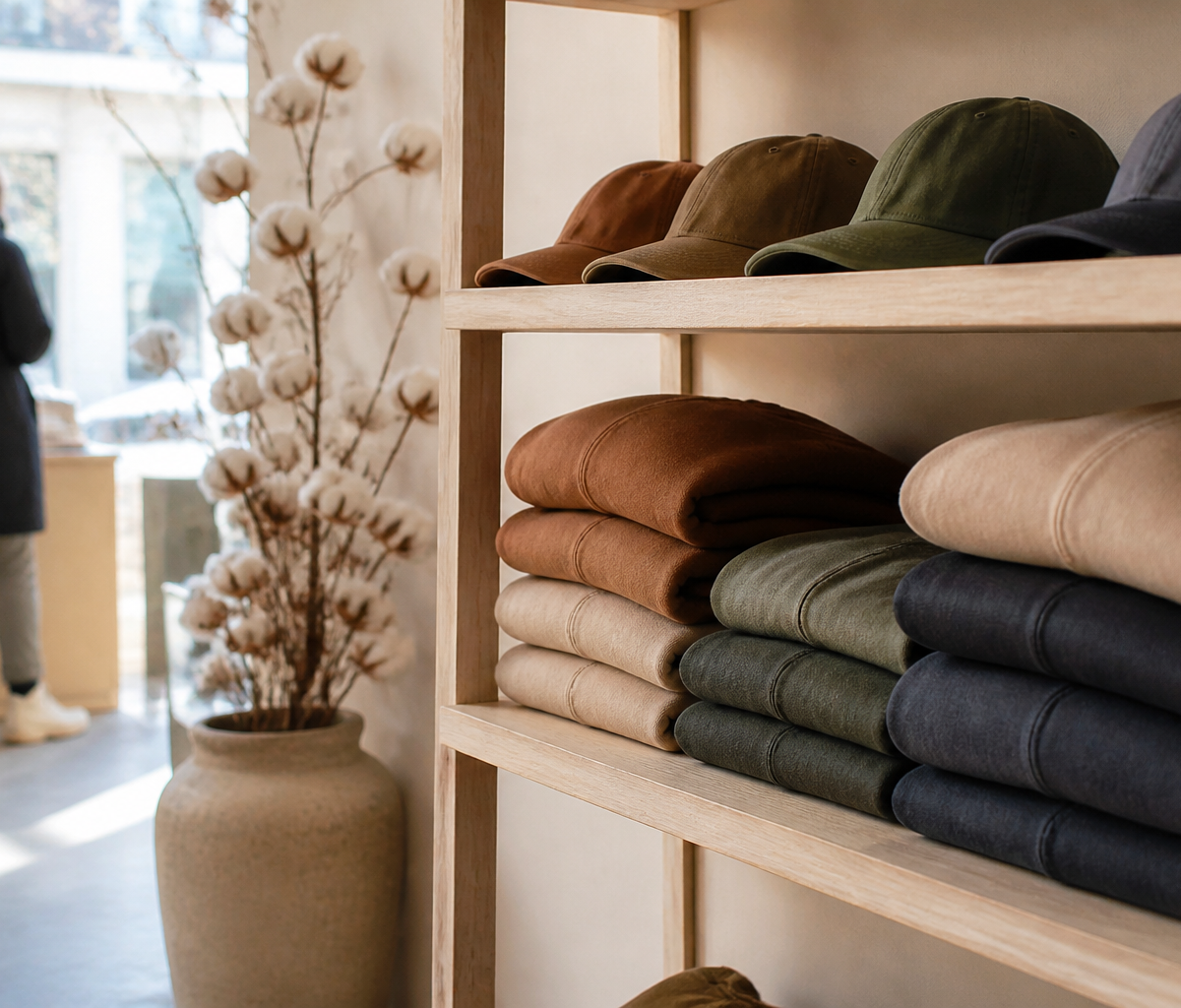
Sustainable streetwear is gaining importance in Germany. Industry analyses from early 2026 see sustainable fashion continuing to gain momentum: shoppers pay closer attention to recycled materials, bio-based fibers and certifications such as GOTS or Fairtrade. Streetwear labels are responding with new collections.
The EU is one driver. Its strategy for circular textiles, the Ecodesign Regulation and stricter rules against greenwashing are putting more pressure on brands. Digital product passports are set to show where a garment comes from and how it was made. According to FashionUnited, experts expect more brands to test textile-to-textile recycling and such passports in 2026.
Which labels are in focus? Frequently mentioned are Iriedaily from Berlin, Degree Clothing from Augsburg, which produces in Germany and Portugal, and Veroikon, which uses GOTS-certified organic cotton. According to IBISWorld, Armedangels and Lanius rely on cellulose fibers from the manufacturer Lenzing. Some of the details about individual labels come from older buyer guides, and prices and ranges may have changed since.
What is changing in purchasing decisions?
People buying streetwear increasingly look at material origin and certifications rather than just the brand name. A style that wears outdoor clothing in everyday life, known as Gorpcore, shows that durability and function have become part of the look for many.
For the environment, what matters most in the end is how long a garment is worn. Certifications help with orientation but do not replace critical scrutiny. Reliable market figures for streetwear are hard to find, and many forecasts come from retailers, so they should be read with caution.
Cover image created with AI.